Charcoal: A Script Font for Authentic Branding
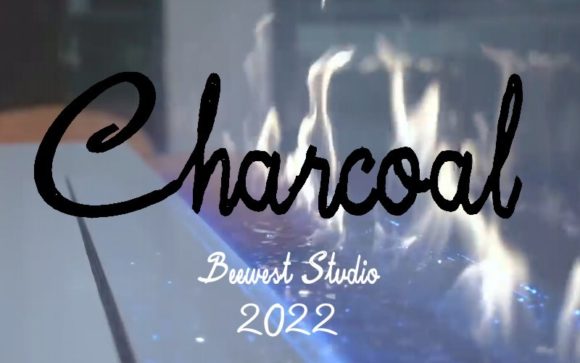
There’s a certain warmth to handwritten text that digital fonts often struggle to replicate. It’s the slight imperfection, the human touch, that can make a brand feel approachable and real. This is precisely the space where the Charcoal font excels. It’s not trying to be a perfect, mechanical script; instead, it captures the fluid, organic motion of a hand moving confidently across paper. As a script font, Charcoal offers a delicate and fashionable alternative to the overly formal or the excessively casual, striking a balance that works beautifully for modern creative projects.
The Personality Behind the Typeface
At first glance, Charcoal presents itself as a display font with clear intentions. Its letterforms are connected with a natural, flowing rhythm, yet each character maintains enough legibility to be functional. The weight is consistent but not heavy, giving it a light, airy quality. It doesn’t scream for attention like some handwritten fonts can; instead, it invites the viewer in with a subtle elegance. This makes it a creative font that feels both personal and polished. The overall aesthetic leans towards a contemporary, slightly sophisticated vibe, avoiding the dated look of some traditional script typefaces. It’s the kind of premium font that adds instant character without overwhelming a design.
Where Charcoal Truly Shines
The practical applications for a font like Charcoal are vast, but its strengths are most evident in projects where personality and a human connection are key. In logo design, for instance, it can create a distinctive mark for a boutique, a bakery, a lifestyle blogger, or a personal stylist. The script style helps establish a brand identity that feels handcrafted and intentional. For packaging design, Charcoal can elevate product labels, especially for artisanal goods, cosmetics, or gourmet foods, where a touch of elegance is required.
Beyond logos and packaging, this script font is a powerful tool for editorial design. Think of chapter headings in a cookbook, pull quotes in a magazine, or the title treatment for a wedding invitation suite. It brings a level of artistry to the page that a standard serif font or sans serif font cannot provide. In the digital realm, it’s equally effective. For web design, it can be used sparingly for hero text, call-to-action phrases, or featured quotes to break the monotony of body copy. On social media graphics, it helps create eye-catching posts for announcements, quotes, or promotional content that need to stop the scroll.
Practical Guidance for Using Charcoal
Choosing the right font is only half the battle; using it effectively is what makes a project successful. When considering Charcoal for your next project, keep these practical points in mind:
- Evaluate the Project Fit: Charcoal is a display font at its core. It’s perfect for headlines, logos, and short phrases where its personality can be appreciated. It is not, however, intended for long blocks of body text. For readability in paragraphs, always pair it with a clean serif font or sans serif font.
- Master the Font Pairing: The key to using any script or decorative typeface is balance. A great font pairing with Charcoal would be a simple, geometric sans serif like Montserrat or a classic, readable serif like Lora. Let Charcoal be the star of the show, with its partner playing a supporting role in the body copy.
- Review Included Styles: Many premium fonts come with stylistic alternates, ligatures, or swashes. Explore the character map for Charcoal. These extras can add a unique flair to your lettering, allowing you to customize the look for a specific logo or headline, making your brand identity even more unique.
- Test for Readability: Always test your chosen font at the actual size and on the medium it will be used. A script that looks beautiful at 72pt on your screen might lose its clarity when printed small on a business card or viewed on a mobile device. Ensure the letterforms don’t blur together.
- Understand the License: If you are using Charcoal for commercial font projects—such as client work, merchandise, or products for sale—ensure you have the appropriate commercial license. This protects both you and the font designer and is a non-negotiable part of professional practice.
Ultimately, the value of a typeface like Charcoal lies in its ability to convey a specific mood. It’s a tool for telling a story. By understanding its personality and applying it thoughtfully, you can leverage this script font to build a stronger, more engaging, and visually coherent presence across all your creative endeavors, from digital assets to printed materials.